The break and transition into the new year is always a time for me to optimise my workflows or to explore some changes in the way I handle information, tasks or communication. Via some tweets by Doug Holton I have discovered Logseq as a new framework and tool to handle my information workflow. I have experimented with it in the last days and would like to summarise why I think this could become a game changer for my personal knowledge management.
Usage scenario of Logseq for my personal knowledge management
Outlining: First of all, for handling notes I need a very simple structure with some basic formatting and indentation and lists to structure information. Logseq is using an outlining technique which is very simple to learn and allows fast note taking.
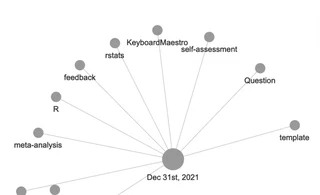
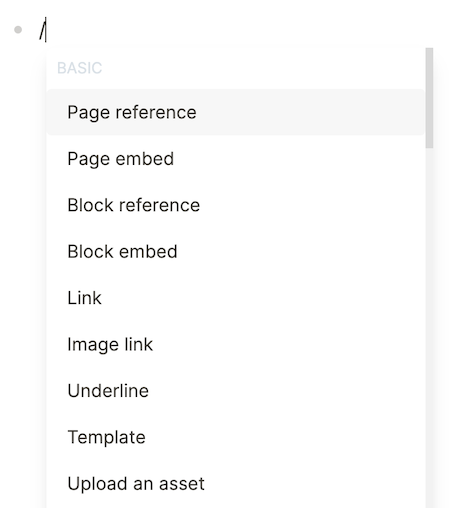
Simple tagging: In Logseq you can either use an inline-tagging approach with double brackets [[]] or you can use a hashtag. The underlying theoretical basis for Logseq is the so called knowledge-graph, a semantic network of linked information entities. Via these tags, no hierarchical but rather a networked space of ideas and information is growing. Depending on the tags used, those can create a task list, a reading schedule, a communication plan - whatever you like.
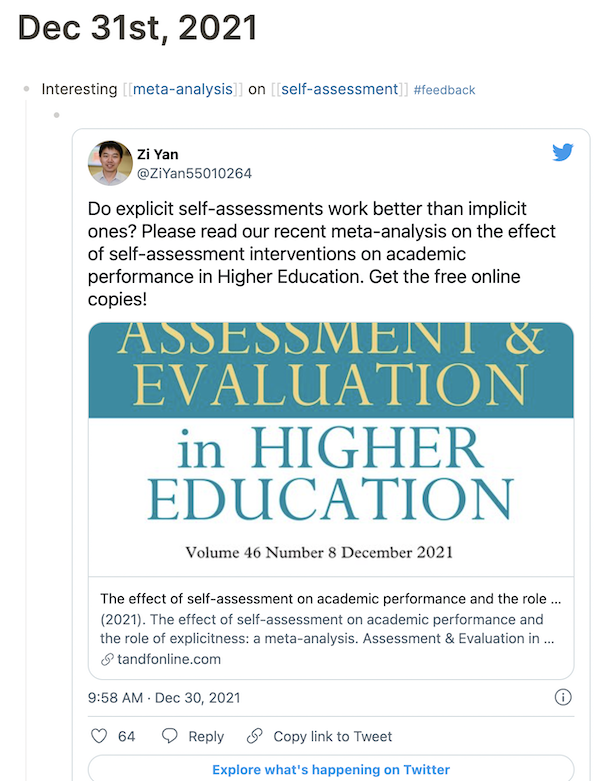
Information integration and rendering: A third component which is vital to my knowledge management is that I need to be able to integrate different types of information into the same document. I heavily rely on my Twitter network and regularly spot information there which I mostly like and forget afterwards. In Logseq I can copy the tweet URL and integrate it into my note and it gets rendered correctly in the document. Besides Twitter I can also embed HTML, Youtube or Vimeo videos. Since some information is resting at a specific timestamp in a video, you can even embed a link to this timestamp. And of course I can take notes by indentation why this information is relevant or what I would like to do with it.
Embedded tweet in Logseq
PDF reader and annotation: For someone who is reading a lot of documents in PDF-format, each productivity solution needs to offer a way how PDFs can be read and snippets from these documents can be quoted, copied or commented. In Logseq it is easy to upload a PDF which is then opened on the left half of the window while on the right side.
Chose a PDF to upload
PDF reader left, Logseq right
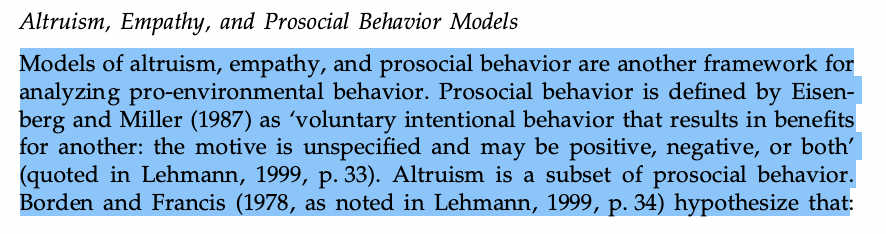
The nice functionality is now that I can color-code text in the PDF and the put a reference to it in Logseq and can again indent and add notes and ideas to it.
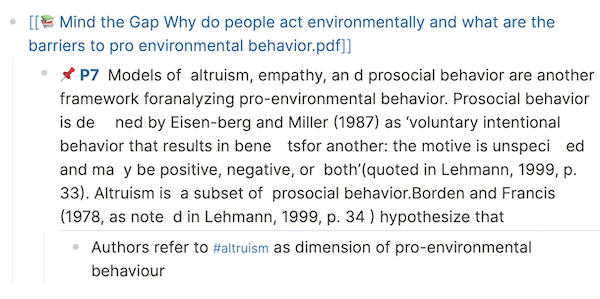
Marking text
Putting a ref into Logseq
Zotero integration: Recently, Zotero has been integrated into Logseq and via this integration I can save publications via a browser-plugin and then access the files via Logseq and can follow the same approach like mentioned in 3.
If you want to start diving into Logseq I can recommend the video series below by Dario from OneStutteringMind.
Future development
I have already tested how to publish my knowledge graph to Github to easily access it from everyhwere and I am also testing the mobile app at the moment, but collaboration is not vital and my main work happens at the desktop. Logseq is open source and free but is apparently planning a payed pro-version for the future.
I am a researcher in educational technology whose work explores how digital
technologies reshape learning, teaching, and educational institutions. My
research combines educational technology, learning sciences, feedback
research, and critical perspectives on digital transformation.Current areas of interest include peer feedback and feedback literacy, open
and networked learning, AI and misinformation in education, digital learning
ecologies, and the societal implications of data-driven and platform-based
education. Methodologically, my work spans empirical learning research,
psychometric scale development, design-oriented research, and conceptual
analyses of digital transformation in education.
I am working as a full professor of educational technology and Chief
Information/Chief Digital Officer (CIO/CDO) at the Heidelberg University of
Education. I serve as associate editor of the International Journal of Artificial Intelligence
in Education and editorial board member of the Journal of Computing in Higher Education.
I am a senior-fellow of the Interuniversity Center for Educational Sciences (ICO) and the
Dutch research school on information and knowledge systems (SIKS). I work as director of
the study program E-Learning and Media Education and director of the Heidelberg Centre for
Digital Transformation in Education. Over the years I could secure approx. 4 Mio EUR of research
funding for my institutions from competitive projects with a total budget of 36 Mio EUR.
I have been an invited keynote speaker on more than 60 conferences and events.
Besides European projects I am regularly involved in educational innovation and consulting projects
with partners inside and outside of my institutions including clients like the International Labour Organisation,
United Nations Environment Program, the European Commission, UNESCO, OECD or other international and national organizations.